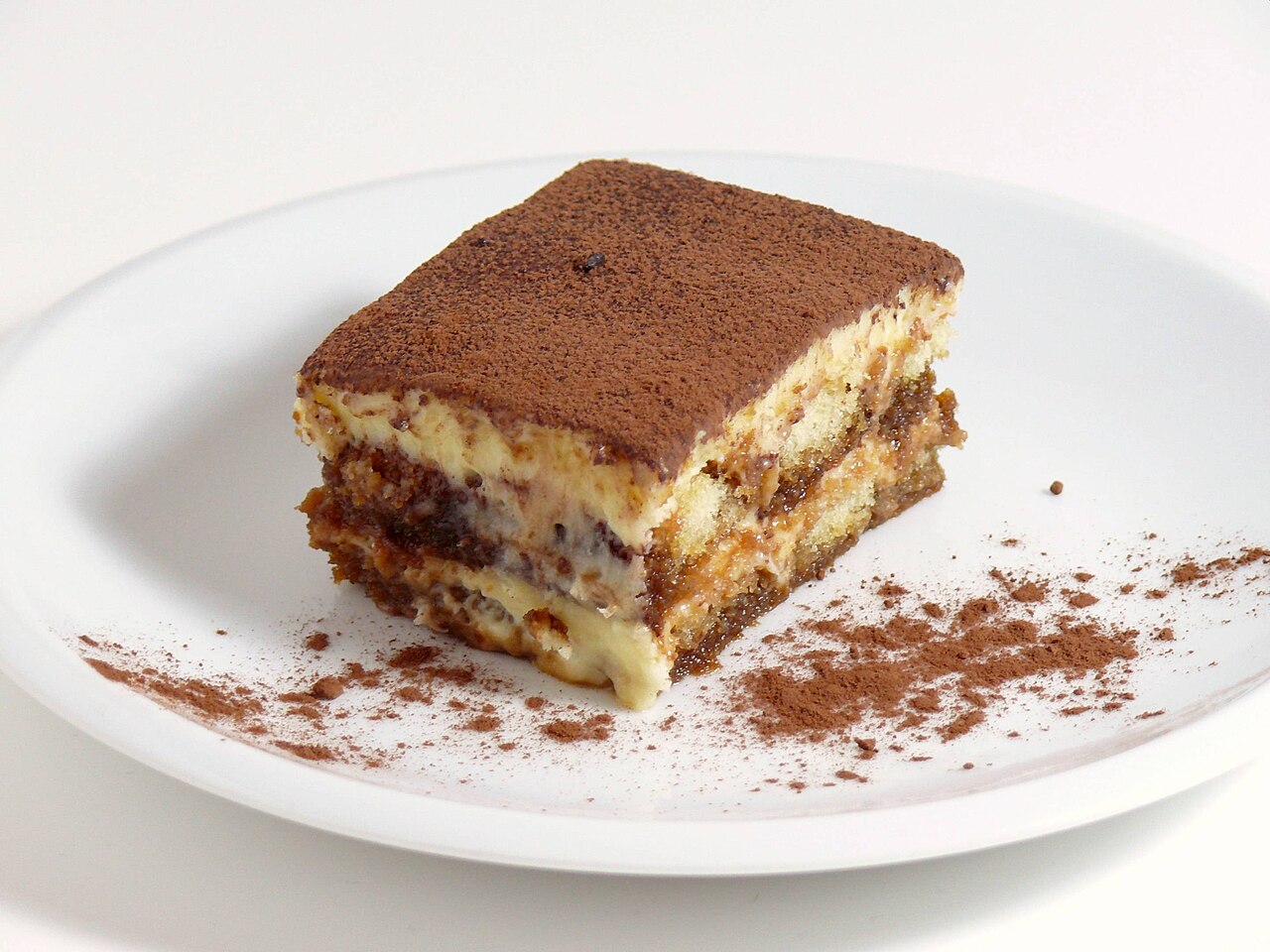
Few desserts evoke the same sense of comfort, indulgence, and sophisticated simplicity as tiramisu. This iconic Italian creation, famed for its delicate layers of coffee-soaked ladyfingers and creamy mascarpone, is much more than just a sweet treat. Its very name, "tiramisù," whispers a promise: a gentle urging to "pick me up" or "lift me up." This evocative phrase isn't just a charming moniker; it's a testament to the dessert's invigorating blend of flavors and textures designed to provide a much-needed boost, be it after a meal or on a languid afternoon.
From its humble origins in Italy's Veneto region to its global stardom, tiramisu has captivated palates worldwide. It embodies the essence of Italian culinary artistry – using simple, high-quality ingredients to create something truly extraordinary. Understanding its true meaning means delving into its fascinating history, appreciating the careful balance of its core components, and recognizing the cultural significance that has cemented its place in the hearts of dessert lovers everywhere.
The Humble Beginnings: Tracing Tiramisu's Roots
The story of tiramisu is steeped in regional pride, particularly in Treviso, a charming city in Italy's Veneto region. While legends abound, the most widely accepted narrative places the modern tiramisu recipe's emergence in the late 1960s. The acclaimed restaurant Le Beccherie, under the culinary direction of chef Roberto Linguanotto, is often credited with bringing this masterpiece to life. Linguanotto, drawing upon local ingredients and culinary traditions, ingeniously combined creamy mascarpone cheese from nearby Lodi with espresso-soaked ladyfingers and a custard base reminiscent of zabaglione. Tragically, Chef Linguanotto passed away on July 28, 2024, but his culinary brilliance ensures that Roberto Linguanotto's Legacy: The Inventor of Modern Tiramisu will live on through every delicious slice.
However, the roots of this beloved dessert stretch even further back, hinting at a simpler, more restorative past. Many culinary historians point to a 19th-century Treviso tradition known as sbatudin. This concoction, a basic yet nourishing blend of egg yolks and sugar, was often given to children, the elderly, or those in need of a quick energy boost. It's easy to see how this restorative mixture, designed to "pick you up," could evolve into the rich, creamy foundation of what we now know as tiramisu. From its regional debut, tiramisu rapidly ascended to national fame throughout Italy in the 1980s, eventually conquering international menus and even making cameo appearances in popular culture, like the 1993 film Sleepless in Seattle, solidifying its status as a global symbol of Italian cuisine.
Unpacking "Tiramisù": A Sweet Call to Action
The name "tiramisù" is perhaps the most captivating aspect of this dessert's identity. Derived from the Treviso dialect, "tireme su," it literally translates to "pick me up" or "lift me up" in standard Italian (tira mi su). This isn't merely a playful suggestion; it's a direct reference to the dessert's powerful invigorating qualities. The robust kick of espresso, brimming with caffeine, harmonizes with the rich, creamy elements of mascarpone, egg yolks, and sugar to provide a tangible energy boost.
The linguistic journey from a colloquial imperative in Veneto to the universally recognized "tiramisù" reflects its widespread appeal and intrinsic purpose. While popular — but apocryphal — legends have linked the name to aphrodisiac effects from 19th-century brothels in Treviso, these stories lack historical evidence. The true meaning lies in its restorative power, offering a delightful sensory experience that rejuvenates both body and spirit. It's a dessert that actively encourages you to feel better, to find a moment of upliftment in its sweet embrace. This "pick me up" quality is what makes tiramisu a perfect finale to a hearty meal, a comforting treat during a break, or a celebratory indulgence.
The Anatomy of Authenticity: Essential Ingredients and Crafting Perfection
At the heart of an authentic tiramisu lies a specific set of high-quality ingredients, meticulously combined without the need for baking. Treviso's culinary authorities have even standardized the core six essentials, ensuring the preservation of its original character:
- Savoiardi Biscuits (Ladyfingers): These light, airy, and absorbent biscuits are crucial for soaking up the coffee without becoming soggy.
- Strong Espresso Coffee: Often unsweetened to provide a contrasting bitterness, the espresso is the dessert's vital energizing component.
- Mascarpone Cheese: A fresh, rich, and creamy Italian cheese that forms the luxurious foundation of the dessert's custard layer.
- Egg Yolks: These are vital for richness, color, and contributing to the silken texture of the mascarpone cream. Traditionally, they are not cooked, adding to the dessert's unique consistency.
- Granulated Sugar: Sweetens the mascarpone cream, balancing the bitterness of the coffee and cocoa.
- Bitter Cocoa Powder: A dusting of unsweetened cocoa powder provides a final touch of bitterness and elegant presentation.
The beauty of tiramisu lies in its no-bake construction, typically assembled in a dish to showcase its distinct, appealing layers. While purists adhere strictly to these traditional ingredients and methods – often eschewing alcohol or cooking the egg yolks for a truly raw, silky consistency – variations do exist. Some recipes incorporate liqueurs like Marsala wine or rum, adding an extra layer of flavor complexity. However, for a truly authentic experience, the traditional preparation reigns supreme.
Achieving the perfect tiramisu requires attention to detail. The coffee must be cooled to prevent the ladyfingers from disintegrating. The mascarpone cream should be whipped until light and airy but not overbeaten. And the assembly itself, a careful layering of dipped biscuits and cream, is an art form. For those ready to perfect their own version, Mastering Tiramisu: Crafting the Perfect No-Bake Italian Dessert offers invaluable guidance.
Tips for a Sublime Tiramisu:
- Quality Matters: Use the best quality espresso, mascarpone, and savoiardi you can find.
- Don't Over-Dip: A quick dip is enough to moisten the ladyfingers; prolonged soaking will make them mushy.
- Chill Time is Crucial: Allow at least 4-6 hours, or ideally overnight, for the flavors to meld and the dessert to set properly.
- Balance the Sweetness: Taste your espresso before dipping; if it's too bitter, a touch of sugar can be added, but generally, the sweetness comes from the cream.
Beyond Borders: Tiramisu's Global Ascent and Enduring Legacy
Since its official registration with the Italian Academy of Cuisine in 1981, tiramisu has transcended its Italian origins to become a truly global phenomenon. Its appeal lies in its universally beloved combination of coffee, chocolate, and cream, presented in an elegant yet approachable form. The establishment of the Accademia del Tiramisù in Treviso in 2011, dedicated to preserving its authenticity and even organizing the annual Tiramisù World Cup, underscores its enduring cultural significance and the passion it ignites.
This dessert has inspired countless home bakers and professional chefs alike. Even renowned culinary figures, such as the late Maida Heatter, dubbed the "Queen of Cake," found immense inspiration in tiramisu. Her lauded recipe, often cited as one of the best homemade versions, showcases how this Italian classic has resonated with baking legends beyond its native land, earning respect for its flawless balance and irresistible charm. From Michelin-starred restaurants to cozy kitchen tables, tiramisu remains a staple, constantly reinterpreted yet always retaining its core essence.
The true meaning of tiramisu extends far beyond its delicious taste. It's a narrative of innovation born from tradition, a culinary journey from regional specialty to international icon. It embodies the Italian spirit of *dolce vita* – the sweet life – inviting us to pause, indulge, and find a moment of delightful upliftment. So, the next time you savor a spoonful of this layered marvel, remember its captivating story and the promise it holds within its very name: a sweet, invigorating "pick me up" for the soul.
