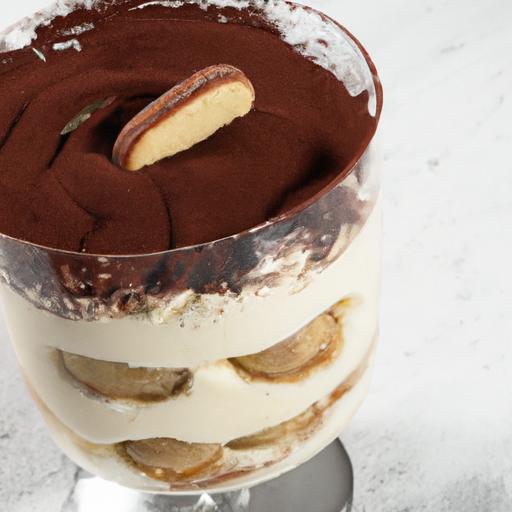
Mastering Tiramisu: Crafting the Perfect No-Bake Italian Dessert
Few desserts evoke the same sense of luxurious comfort and sophisticated simplicity as tiramisu. This iconic Italian creation, a symphony of coffee-soaked ladyfingers and a rich, airy mascarpone cream, is more than just a sweet treat—it's an experience. Its very name, derived from the Treviso dialect, means "pick me up" or "lift me up," a fitting description for a dessert that invigorates with espresso and satiates with its indulgent, creamy layers. What makes tiramisu truly remarkable is its elegant no-bake preparation, allowing the quality of its core ingredients to shine through in every spoonful. At its heart, tiramisu is a marvel of textural contrast and balanced flavors: the slight bitterness of cocoa, the robust kick of espresso, the delicate crunch of ladyfingers, and the velvety embrace of mascarpone. It's a dessert that has captured palates worldwide, cementing its status as a beloved staple in Italian households and international restaurants alike. Whether you're a seasoned baker or a novice in the kitchen, mastering authentic tiramisu is an achievable and incredibly rewarding culinary journey.The Allure of Tiramisu: A Journey Through Flavor and History
The captivating history of tiramisu is as rich and layered as the dessert itself. While popular legends sometimes link its origins to aphrodisiac qualities in 19th-century Treviso brothels, the documented modern recipe is a much more recent invention. It's widely believed that tiramisu, as we know it today, emerged in the late 1960s at the restaurant Le Beccherie in Treviso, Italy's picturesque Veneto region. Here, chef Roberto Linguanotto is largely credited with combining local ingredients like the fresh, creamy mascarpone cheese from nearby Lodi with strong coffee-soaked ladyfingers and a zabaglione-inspired custard. This brilliant fusion quickly gave birth to the dessert we adore. To delve deeper into the fascinating story behind its name and cultural significance, explore Tiramisu's True Meaning: The Italian 'Pick Me Up' Dessert Story. Linguanotto's ingenuity wasn't entirely without precedent; his creation built upon the 19th-century Treviso tradition of *sbatudin*, a restorative mixture of egg yolk and sugar given to locals for nourishment. This simple yet fortifying blend served as a foundational inspiration for the dessert's creamy base. From its humble, yet innovative, beginnings, tiramisu quickly soared to international fame in the 1980s, even making appearances in popular culture like the film *Sleepless in Seattle*. Its global recognition underscores its universal appeal and timeless charm. The culinary world also mourned the recent passing of Roberto Linguanotto in July 2024, an event that further highlights his profound legacy. Learn more about his contributions in Roberto Linguanotto's Legacy: The Inventor of Modern Tiramisu. To preserve the authenticity of this Italian treasure, Treviso's culinary authorities even standardized its core ingredients, and organizations like the Accademia del Tiramisù now host events like the annual Tiramisù World Cup, celebrating its heritage and craftsmanship. The enduring popularity of tiramisu is a testament not only to its delightful taste but also to the cultural passion that surrounds its creation and enjoyment.The Essential Ingredients: Building Blocks of Authentic Tiramisu
Crafting an authentic tiramisu begins with selecting high-quality ingredients. The beauty of this dessert lies in its simplicity, making each component crucial to the overall harmony of flavors and textures. Treviso's culinary authorities have codified six essential ingredients for a traditional tiramisu:- Savoiardi Biscuits (Ladyfingers): These light, airy, and crisp sponge cakes are the backbone of tiramisu. Their porous texture is perfect for absorbing coffee without becoming overly soggy. Opt for good quality ladyfingers that hold their shape well.
- Strong Espresso Coffee: Authenticity demands strong espresso, typically unsweetened. The bitterness of the coffee is vital for cutting through the richness of the mascarpone cream and providing that signature "pick me up" flavor. Allow the espresso to cool completely before dipping the ladyfingers.
- Mascarpone Cheese: This Italian fresh cream cheese is the heart of the tiramisu's cream layer. Mascarpone boasts an incredibly rich, buttery, and velvety texture, with a subtle sweetness. Always choose full-fat, high-quality mascarpone for the best results.
- Egg Yolks: Traditionally, egg yolks are essential for creating the luscious, custardy base of the mascarpone cream. They lend richness, color, and a silky mouthfeel. While purists adhere to raw yolks for a raw, silky consistency, those concerned about food safety may opt for pasteurized eggs or gently temper the yolks with sugar over a double boiler to create a sabayon-like custard.
- Granulated Sugar: Sugar sweetens the egg yolk and mascarpone mixture, balancing the bitterness of the coffee and cocoa. The amount can be adjusted slightly to personal preference, but generally, a moderate sweetness allows the other flavors to shine.
- Bitter Cocoa Powder: The finishing touch! A generous dusting of unsweetened, bitter cocoa powder provides a final layer of deep chocolate flavor and a beautiful visual contrast. Choose a good quality cocoa powder for a richer taste.
Crafting the Perfect Tiramisu: A Step-by-Step Guide
The art of making tiramisu lies in its assembly, not in complex cooking techniques. This no-bake wonder is all about careful preparation and layering.Preparing Your Components
- Brew and Chill Your Espresso: Start by brewing a generous amount of strong espresso. It's crucial that the coffee is completely cool before you dip the ladyfingers. Warm coffee will cause them to disintegrate.
- Prepare the Mascarpone Cream:
- In a large bowl, whisk your egg yolks and granulated sugar together until they are pale yellow and thick. If using unpasteurized eggs and concerned about raw consumption, you can gently heat this mixture over a double boiler, whisking constantly until it reaches 160°F (71°C) and thickens, creating a safe, custard-like base.
- In a separate bowl, gently fold in the mascarpone cheese until just combined and smooth. Be careful not to overmix, as mascarpone can curdle.
- Combine the whipped egg mixture with the mascarpone. Some recipes, like the highly acclaimed one from the "Queen of Cake," Maida Heatter, emphasize a "lightly sweetened mascarpone cream" to ensure the dessert isn't overly heavy. If you desire a lighter, airier cream, you can gently fold in some stiffly whipped heavy cream or Italian meringue at this stage, though this deviates slightly from the most traditional, denser preparation.
Assembling the Layers: The Tiramisu Dance
Once your components are ready, the magic of layering begins. You'll typically need a rectangular or square dish to beautifully showcase the distinct strata of your tiramisu.
- Dip the Ladyfingers: This is perhaps the most critical step. Working quickly, dip each ladyfinger into the cooled espresso for just a second or two on each side. The goal is to moisten them thoroughly without making them soggy. They should still have some structural integrity.
- First Layer of Ladyfingers: Arrange a single layer of coffee-soaked ladyfingers at the bottom of your dish, breaking them as needed to fit snugly.
- First Layer of Cream: Spread about half of your mascarpone cream evenly over the ladyfingers.
- Second Layer of Ladyfingers: Repeat the dipping and layering process with another layer of ladyfingers.
- Second Layer of Cream: Top with the remaining mascarpone cream, smoothing the surface.
- The Cocoa Dusting: Generously dust the top of the tiramisu with bitter cocoa powder. A fine-mesh sieve works best for an even coating.
Tips for Tiramisu Success:
- Quality Over Quantity: Since there are so few ingredients, the quality of each one truly matters. Invest in good mascarpone, fresh eggs, and high-quality espresso and cocoa.
- Don't Over-Soak: This bears repeating! Soggy ladyfingers are the downfall of many a tiramisu. A quick dip is all you need.
- Chill Adequately: Tiramisu needs time to set and for the flavors to meld. Refrigerate for at least 4-6 hours, but ideally overnight, before serving. This allows the layers to firm up and the coffee and cream to fully permeate the ladyfingers.
- Embrace the Bitter: Don't sweeten your espresso. The slight bitterness is key to balancing the richness of the cream and the sweetness of the sugar.
- Consider Variations (with Caution): While Marsala wine or rum can add an interesting depth to the cream, purists often prefer the pure, unadulterated flavor profile of the original. If experimenting, add liqueur sparingly to the mascarpone cream or the coffee.
