Roberto Linguanotto's Legacy: The Inventor of Modern Tiramisu
Few desserts capture the heart and palate quite like
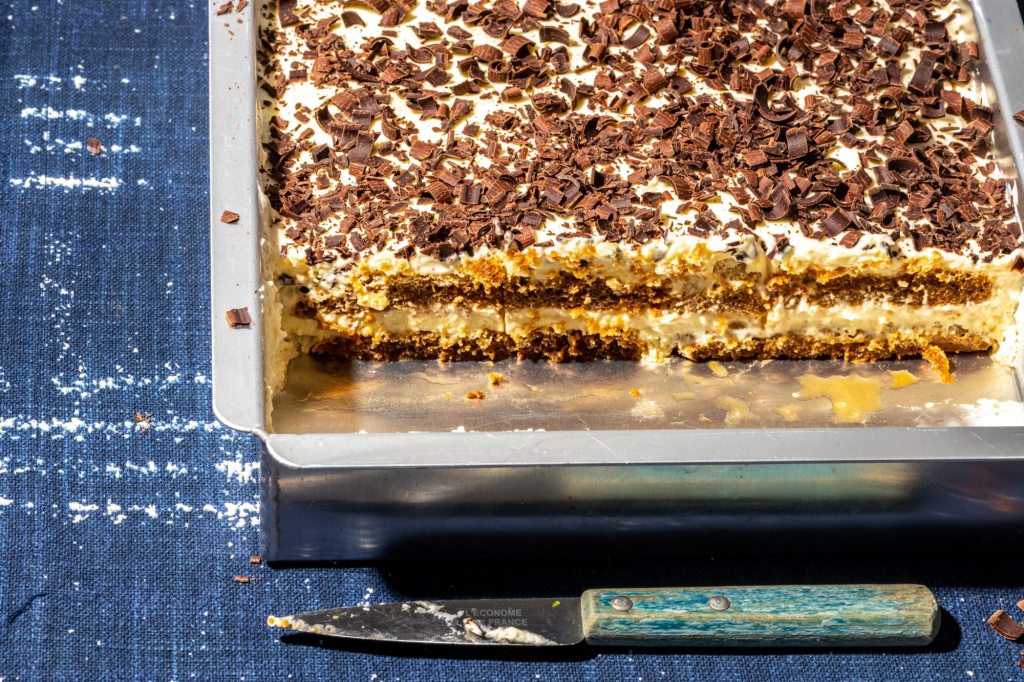
tiramisu. This iconic Italian creation, with its irresistible layers of coffee-soaked ladyfingers and rich mascarpone cream, has transcended its origins to become a global symbol of indulgence. While countless variations exist, the true essence of tiramisu lies in its elegantly simple, yet profoundly satisfying, traditional form. At the heart of its modern history stands a culinary maestro whose vision brought this beloved dessert to life: Chef Roberto Linguanotto. His recent passing on July 28, 2024, reminds us of the profound impact one individual can have on the world's gastronomic landscape, leaving behind a legacy that continues to delight generations.
The Birth of a Legend: Roberto Linguanotto and Le Beccherie
The story of modern tiramisu begins not in an ancient cookbook, but in the vibrant culinary scene of Treviso, a charming city in Italy's Veneto region, during the late 1960s. It was here, within the esteemed walls of the restaurant Le Beccherie, that Chef Roberto Linguanotto embarked on a journey that would forever change dessert history. Linguanotto, a visionary chef, had a remarkable talent for transforming simple, local ingredients into something extraordinary.
His genius lay in the masterful combination of several key components: the delicate crispness of
savoiardi (ladyfinger biscuits), the invigorating bitterness of strong espresso, the creamy luxury of mascarpone cheese (a fresh cheese traditionally sourced from nearby Lodi), and a sweet, zabaglione-inspired custard made from whipped egg yolks and sugar. These elements, carefully layered and left to meld without the need for baking, coalesced into a dessert unlike any other. The resulting creation was an instant hit, quickly gaining fame for its unique texture – simultaneously light and profoundly indulgent – and its invigorating "pick-me-up" quality.
While culinary historians often trace earlier roots of tiramisu to the 19th-century Treviso tradition of "sbatudin"—a restorative mixture of egg yolk and sugar given to locals for nourishment—Linguanotto's contribution was pivotal. He elevated these humble origins, crafting the definitive, structured, and celebrated recipe that we recognize as modern tiramisu today. His work at Le Beccherie was not just an invention; it was a refinement, a synthesis that captured the soul of Italian dessert making.
More Than a Dessert: The Enduring Appeal of Tiramisu
The name "tiramisù" itself is a testament to the dessert's inherent character. Derived from the Treviso dialect, meaning "pick me up" or "lift me up," it perfectly encapsulates the energizing blend of coffee and rich, creamy components. This linguistic origin, from the phrase "tireme su," beautifully reflects the dessert's intended effect: a delightful boost for both body and spirit. While apocryphal legends about its aphrodisiac effects or a 19th-century brothel origin abound, the true story of its name is simpler yet equally captivating – a delicious promise of invigoration.
Tiramisu's journey from a regional Italian specialty to a global icon was remarkably swift. By the 1980s, its popularity exploded, spreading from Italian households and restaurants to international menus across the world. Its appearance in popular culture, famously in films like
Sleepless in Seattle (1993), cemented its status as a universal symbol of Italian culinary excellence.
The importance of Linguanotto's invention is underscored by its formal recognition. In 1981, the recipe was officially registered with the Italian Academy of Cuisine, a significant acknowledgment of its authenticity and cultural value. Further reinforcing its heritage, the Accademia del Tiramisù was founded in Treviso in 2011, dedicated to preserving the dessert's traditional preparation and organizing events such as the annual Tiramisù World Cup. These initiatives highlight not just the popularity of tiramisu, but also the deep reverence for its origins and the desire to maintain its classic integrity amidst a sea of variations.
The Art of the Authentic Tiramisu
For purists, the true tiramisu adheres to a precise formula, guided by six essential ingredients that orchestrate a symphony of flavors and textures:
1.
Savoiardi Biscuits: Light, airy, and absorbent, these ladyfingers are the perfect vehicle for soaking up coffee without becoming soggy. Their delicate crunch provides a delightful contrast to the creamy layers.
2.
Strong Espresso Coffee: Often unsweetened, the coffee provides the vital bitter counterpoint to the dessert's sweetness, creating a complex and sophisticated flavor profile. A high-quality espresso is paramount.
3.
Mascarpone Cheese: This incredibly rich, creamy, and slightly sweet Italian cheese is the heart of the custard. Its unparalleled smoothness and fatty texture contribute significantly to tiramisu's luxurious mouthfeel.
4.
Egg Yolks: Whipped with sugar, they form the essential base of the creamy custard, providing richness, body, and the characteristic pale yellow hue.
5.
Granulated Sugar: Sweetness is carefully balanced, complementing the bitterness of the coffee and the richness of the mascarpone and yolks.
6.
Bitter Cocoa Powder: A final dusting of unsweetened cocoa powder adds an elegant finish, a touch of bitterness, and a beautiful aroma that completes the experience.
While some variations incorporate liqueurs like Marsala wine, rum, or coffee liqueur, traditionalists argue that these additions, while delicious, deviate from Linguanotto's original vision. The beauty of the authentic tiramisu lies in its unadorned simplicity, allowing the quality of each core ingredient to shine through. The preparation typically involves whisking raw egg yolks with sugar, folding in mascarpone, and layering this cream with coffee-soaked ladyfingers before a final dusting of cocoa. For those concerned about raw eggs, pasteurized eggs are a safe alternative, maintaining the dessert's raw, silky consistency without compromising tradition. Mastering this no-bake marvel truly is a craft, and for those ready to dive deeper, exploring the nuances of
crafting the perfect no-bake Italian dessert offers invaluable insights.
A Culinary Icon's Farewell and Lasting Influence
Roberto Linguanotto's passing on July 28, 2024, marks the end of an era, but his influence on global cuisine will undoubtedly endure. He was more than just a chef; he was an artist who found perfection in simplicity, a visionary who understood the power of humble ingredients to create something universally adored. Like other titans of the culinary world, such as the legendary baker Maida Heatter, who inspired countless home cooks with her meticulous recipes and passion for perfection, Linguanotto's contribution was not just about a single dish. It was about defining a standard of excellence and sharing a piece of Italian heritage with the world.
His creation, tiramisu, remains a testament to his legacy – a staple in Italian homes and restaurants, a comforting treat, and a sophisticated dessert enjoyed across continents. Every spoonful of tiramisu enjoyed today is a silent tribute to Linguanotto's ingenuity and his profound understanding of flavor and texture.
The enduring popularity of tiramisu is a powerful testament to Roberto Linguanotto's culinary genius. His creation at Le Beccherie in Treviso wasn't just a dessert; it was an experience, a "pick-me-up" that continues to lift spirits and bring joy to millions worldwide. As we savor each creamy, coffee-laced bite, we remember the man whose vision gifted us this timeless Italian treasure, ensuring his legacy lives on, one delicious layer at a time.